
The Importance of Heavy-Duty Sanitation for Commercial Spaces
The Critical Role of Heavy-Duty Sanitation
In the bustling environment of commercial spaces, maintaining cleanliness is more than just an aesthetic choice—it's a critical component of health and safety. Heavy-duty sanitation practices ensure that facilities not only look clean but are free from harmful germs and bacteria. This is particularly important in areas with high foot traffic, where the risk of contamination is significantly higher.
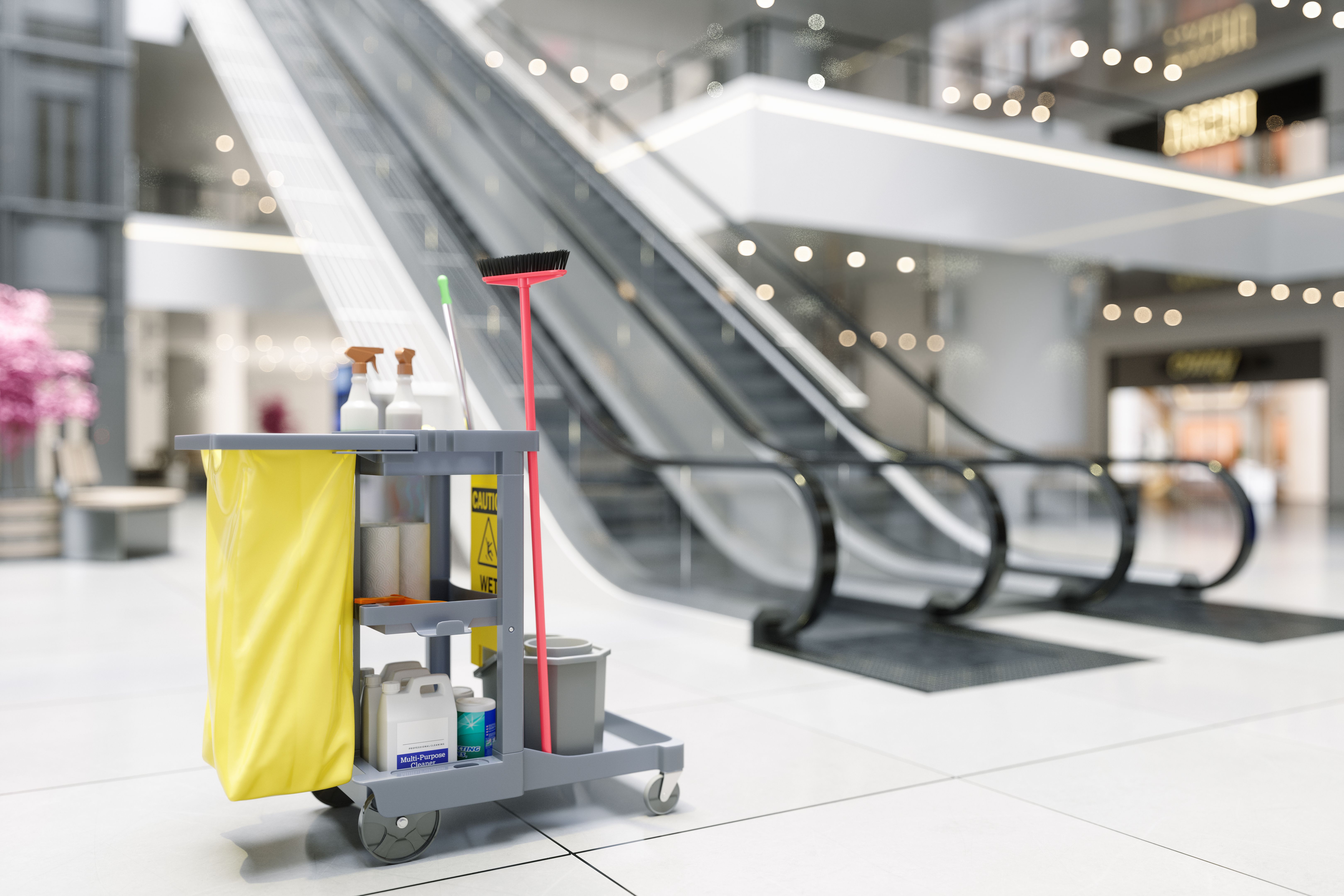
Effective sanitation involves using industrial-grade cleaning solutions and equipment, which are essential for achieving the highest standards of hygiene. These tools are designed to tackle the toughest grime and germs that standard cleaning products might miss.
Health Benefits of Proper Sanitation
One of the most compelling reasons to invest in heavy-duty sanitation is the health benefits it offers. Proper sanitation reduces the spread of infectious diseases, protecting both employees and customers. This is especially crucial in sectors such as food service and healthcare, where hygiene is directly linked to safety.
Regular and thorough cleaning can significantly decrease the chances of outbreaks, promoting a healthier environment for everyone. This proactive approach can also lead to fewer sick days for employees, boosting overall productivity and morale.

Enhancing Customer Experience
Beyond health considerations, cleanliness plays a pivotal role in shaping customer perceptions. A spotless commercial space conveys professionalism and attention to detail, creating a positive first impression. Customers are more likely to return to an establishment where they feel comfortable and safe.
Moreover, in today's social media-driven world, customer experiences are often shared online. A clean and well-maintained environment is more likely to generate positive reviews, enhancing the business's reputation and attracting new customers.

Compliance with Regulations
Adhering to sanitation regulations is not just a legal obligation but a fundamental aspect of responsible business operation. Many industries have strict guidelines that businesses must follow to ensure public safety. Failing to comply with these standards can result in hefty fines and reputational damage.
By implementing heavy-duty sanitation protocols, businesses can ensure they meet or exceed these regulations, avoiding potential legal issues and fostering trust with regulatory bodies.
Long-term Cost Savings
While the initial investment in heavy-duty sanitation might seem significant, it can lead to substantial cost savings in the long run. Regular maintenance prevents the buildup of dirt and grime, reducing the need for expensive deep-cleaning services. Additionally, a cleaner environment can extend the lifespan of equipment and facilities, minimizing repair and replacement costs.
Furthermore, businesses that prioritize cleanliness are less likely to face costly lawsuits related to hygiene issues, safeguarding their financial stability.

Implementing Effective Sanitation Strategies
To maximize the benefits of heavy-duty sanitation, businesses should develop a comprehensive cleaning plan tailored to their specific needs. This involves identifying high-risk areas, selecting appropriate cleaning products, and training staff on best practices.
Engaging with professional cleaning services can also be advantageous, as they bring expertise and specialized equipment to the table, ensuring the highest standards of cleanliness.
In conclusion, heavy-duty sanitation is an indispensable aspect of managing commercial spaces. By prioritizing cleanliness, businesses can protect health, enhance customer satisfaction, comply with regulations, and achieve long-term cost savings. It's an investment that pays dividends in numerous ways, ensuring a safe and welcoming environment for all.